
Supplements can help close nutritional gaps that widen with age. But they work alongside a heart-healthy diet, movement, and regular checkups, not instead of them.
This guide covers the most researched supplements for heart health in women over 50, how to vet quality and purity, and answers to the questions women ask most.
TL;DR
- Estrogen loss after menopause raises LDL cholesterol and arterial stiffness, elevating heart risk
- Omega-3s, CoQ10, magnesium, resveratrol, and plant sterols support lipids, vessels, energy, and inflammation in different ways
- Purity and third-party testing matter more than flashy label claims
- No supplement replaces medication or lifestyle changes — always loop in your doctor first
Why Heart Health Needs Extra Attention After 50
The American Heart Association points to the menopause transition as a genuine inflection point: estrogen production drops, abdominal fat tends to increase, and arteries become thicker and stiffer over time. The AHA's 2023 review links this hormonal shift directly to rising cardiovascular risk in midlife women.
The CDC reports that more than 60 million US women — 44% — live with some form of heart disease.
Research from the SWAN Heart study shows LDL cholesterol and triglycerides rise measurably during the menopause transition. Once researchers adjusted for age, the blood pressure difference disappeared — aging and menopause both play a role.

The takeaway? Know your numbers before reaching for any supplement. Get these checked first:
- LDL cholesterol
- Triglycerides
- Blood pressure
- Kidney function
That baseline shapes which supplements might actually help.
Top Supplements for Heart Health in Women Over 50
Not every supplement on a store shelf deserves a spot in your routine. The ones below earned their place based on clinical evidence, purity standards, safety data, and relevance to postmenopausal cardiovascular needs.
Omega-3 Fatty Acids (Fish Oil)
Omega-3s remain the most clinically validated heart supplement available. A review of 23 studies involving nearly 44,000 people found EPA and DHA reduced triglycerides by roughly 15%, according to NIH's Office of Dietary Supplements.
The American Heart Association generally recommends around 1 gram per day of combined EPA and DHA for people with existing heart disease, ideally from fatty fish first.
| Category | Detail |
|---|---|
| Primary Benefit | Lowers triglycerides, supports healthy cholesterol balance |
| Best Source | Fatty fish or high-EPA/DHA fish oil supplements |
| Consideration | Look for purity certifications; some over-the-counter products fail voluntary oxidation standards |
One quality study found that half of the fish oil products tested exceeded voluntary oxidation limits. Molecular distillation helps, but it's not a guarantee. Check for independent batch testing before you buy.

Coenzyme Q10 (CoQ10)
CoQ10 is a naturally occurring antioxidant that fuels cellular energy production, including in heart muscle. Levels decline with age and, notably, with statin use.
Research shows statins lower circulating CoQ10 by an average of 0.44 micromol/L across multiple trials. Whether that translates to muscle pain relief is murkier. Some studies show benefit; others show none.
| Category | Detail |
|---|---|
| Primary Benefit | Supports cellular energy metabolism, may ease statin-related muscle discomfort |
| Best Form | Ubiquinol (often better absorbed in older adults) |
| Consideration | Talk to your doctor first if you're on statins or blood thinners |
Don't stop or reduce a prescribed statin because you've added CoQ10. The evidence doesn't support that trade-off.
Magnesium
Magnesium regulates heart rhythm, blood pressure, and blood sugar. Yet most older women fall short of getting enough through diet alone.
Key facts:
- Women 51+ need 320 mg per day, per NIH guidelines
- A 2018 study found 83.3% of older US adults didn't meet recommended intake
- Upper limit from supplements: 350 mg/day (excluding food sources)
| Category | Detail |
|---|---|
| Primary Benefit | Supports healthy blood pressure and heart rhythm |
| Recommended Intake | 320 mg/day for women 51 and older |
| Consideration | Use caution with kidney disease — impaired kidneys can't clear excess magnesium |
Think of magnesium as correcting a gap, not treating a diagnosed condition. Its effect on blood pressure is modest at best.
Trans-Resveratrol
Resveratrol is a polyphenol antioxidant studied for cardiovascular and anti-inflammatory support. One small clinical trial found a single 300 mg dose improved blood vessel dilation in women specifically, though it didn't change blood pressure directly.
The catch with resveratrol: bioavailability is naturally low, and product quality varies wildly across brands. A 2012 retail-quality study found major inconsistencies among commercial resveratrol supplements.
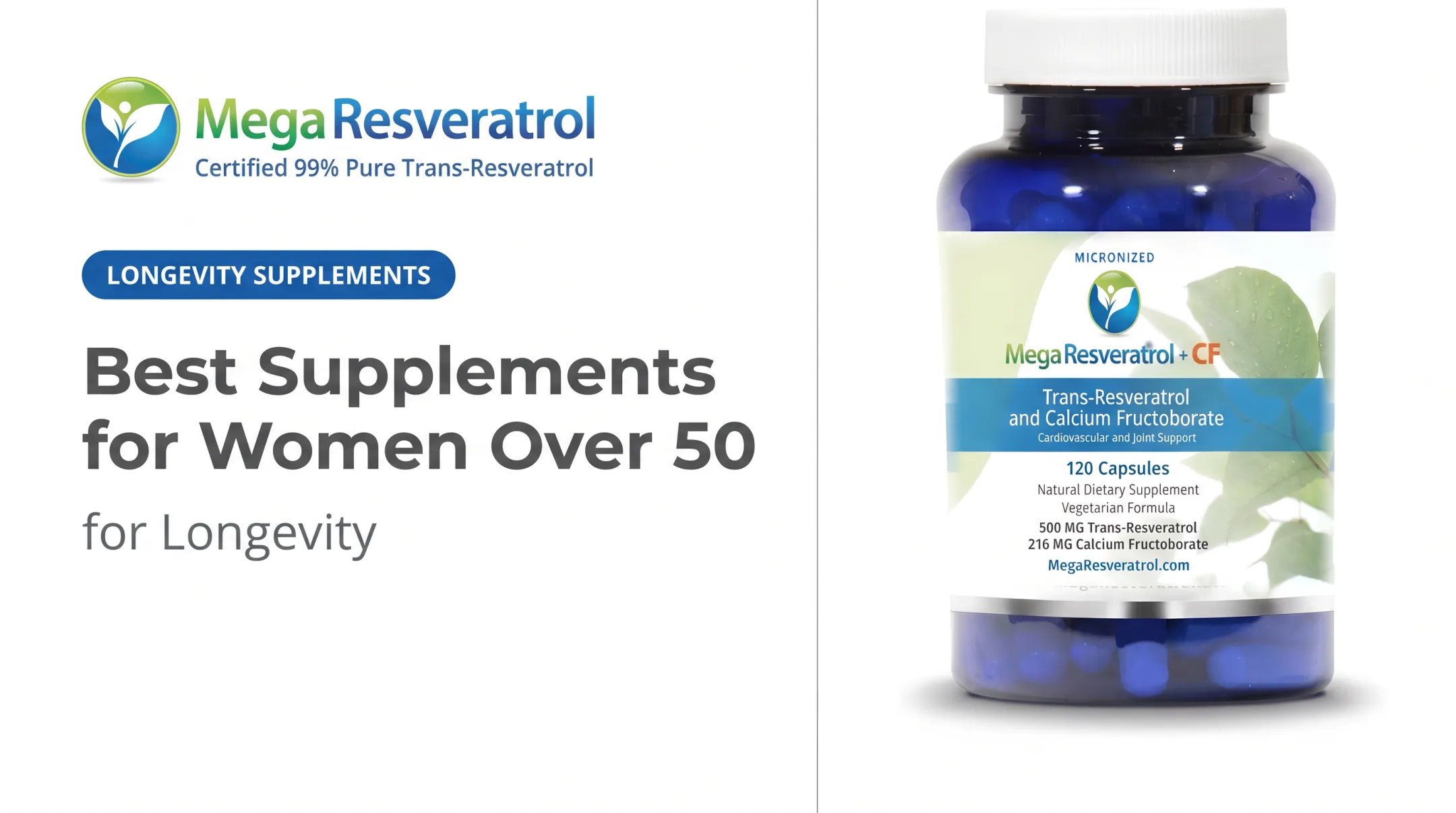
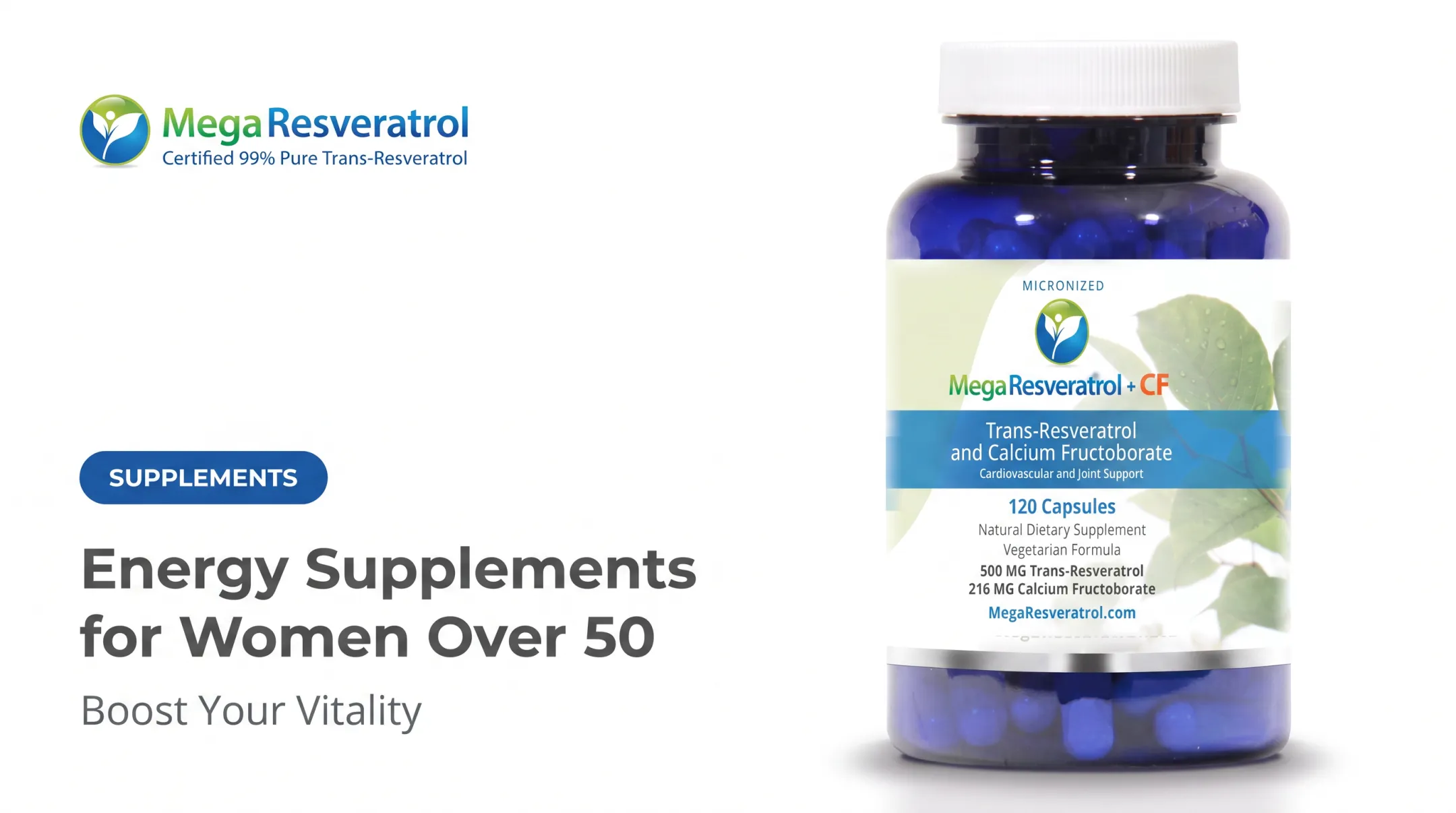
This is where formulation matters. Mega Resveratrol was founded by a heart attack survivor who couldn't find a pure enough product on the market. Its formula uses 99% pure, pharmaceutical-grade trans-resveratrol, micronized to a D-50 particle size under 1.9 microns for better absorption.
| Category | Detail |
|---|---|
| Purity Standard | Minimum 99% pure trans-resveratrol, independently lab-certified per batch |
| Absorption Technology | Micronized particles under 2 µm, no fillers or excipients |
| Value | Roughly $0.75/day based on a 120-capsule, four-month supply |

One caution worth flagging: resveratrol can enhance the effects of blood thinners like warfarin and daily aspirin. If you're on antiplatelet medication, check with your doctor before starting.
Plant Sterols and Stanols
These plant compounds physically block cholesterol absorption in your gut. The FDA allows a heart-disease health claim for products delivering at least 1.3 g/day of plant sterol esters (or 3.4 g/day of stanol esters), split into two servings.
Clinical research links 2-3 grams daily to a 4-15% reduction in LDL cholesterol. That is a meaningful change for anyone managing borderline-high levels.
| Category | Detail |
|---|---|
| Primary Benefit | Lowers LDL ("bad") cholesterol |
| Best Source | Fortified spreads, yogurts, or standalone supplements |
| Consideration | Works best paired with a low-saturated-fat diet, not as a standalone fix |

How to Choose Safe, Effective Heart Health Supplements
"Natural" doesn't mean risk-free. Supplements aren't pre-approved by the FDA before they hit shelves; manufacturers self-certify under Good Manufacturing Practice (GMP) rules.
What to look for:
- Independent, third-party lab certification for every batch (not just occasional spot checks)
- GMP-certified manufacturing facilities registered with the FDA
- Transparent labeling that lists exact milligram amounts, not vague "proprietary blends"
- No unnecessary fillers, binders, or synthetic additives
Purity concerns are real. Red yeast rice, for example, has documented contamination with citrinin, a compound that can damage kidneys. One analysis found only one of 37 tested products fell below the EU's safety limit for citrinin, and some contaminated products were mislabeled "citrinin-free."
Before starting anything new:
- Check your current medications for interactions — especially statins, blood thinners, or blood pressure drugs
- Ask your doctor or dietitian about dosing based on your specific labs
- Choose products with visible, verifiable lab certificates rather than marketing claims alone
- Start with the lowest effective dose and adjust gradually
Conclusion
Supplements work best as a complement to a heart-healthy diet, regular movement, and consistent medical care — not a replacement for any of them.
When you choose a supplement, prioritize purity, accurate dosing, and third-party testing above flashy marketing. Mega Resveratrol is one option that meets that bar: pharmaceutical-grade products with independent lab certification, used by over 100 research institutes worldwide. Add it only with your doctor's guidance so it fits your overall heart-health plan.
Frequently Asked Questions
What is the most important supplement for women over 50?
No single supplement covers every need. Omega-3s and vitamin D are commonly emphasized for cardiovascular and bone support during menopause, but the right choice depends on your individual lab results.
What is the single best supplement for heart health?
Omega-3 fatty acids have the strongest overall clinical evidence, particularly for lowering triglycerides. Still, individual needs vary based on your cholesterol profile and existing conditions.
What are the best supplements for heart health and circulation?
Omega-3s, magnesium, CoQ10, and resveratrol each support circulation and vascular health in different ways. None works in isolation. They work best as complementary tools rather than a single fix.
What supplements do cardiologists recommend?
Cardiologists often recommend omega-3s and vitamin D based on individual lab results, while cautioning against unregulated products with unverified purity claims.
What vitamins make your heart stronger?
Vitamin D and B vitamins (B6, B9, B12) play roles in blood pressure regulation and homocysteine control, a marker linked to cardiovascular risk. They support heart health; they do not directly strengthen the heart muscle itself.
Can vitamins really clear artery plaque?
No vitamin or supplement can reverse existing plaque. Some may help slow progression when combined with lifestyle changes, but established atherosclerosis typically requires medical treatment alongside diet and exercise.